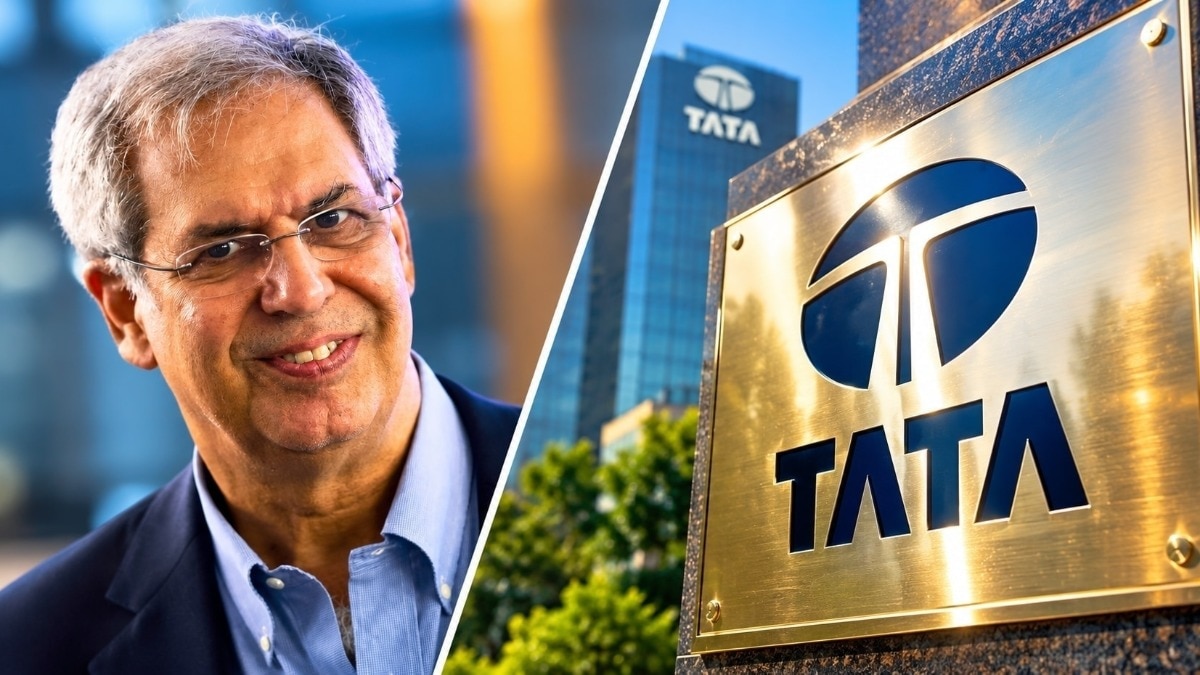
Hepatologist and social media personality Cyriac Abby Philips, popularly known as “The Liver Doc”, on Saturday took aim at Temple again, the wearable backed by Zomato founder and Eternal vice chairman Deepinder Goyal, calling its flagship “Entropy” metric a case of “scienceploitation”.This is the latest in a run of exchanges between the two over the past few days. Philips has led mounting criticism from doctors, while Goyal has publicly defended the product, saying Temple is a fitness and wellness device rather than a medical one.In his post, Philips defined scienceploitation as a tactic in which brands borrow the language of emerging science to sell unproven products. The term was coined by Timothy Caulfield of the University of Alberta."A device can produce a number without proving that the number means what its advertising says. That is the central problem with Temple’s “Entropy," he wrote.— theliverdoc (@theliverdoc) The doctor argued that “entropy” means different things in physics and in heartbeat or brainwave analysis, and that measuring one does not mean measuring the other, or a person’s overall health. Wearables can compute signal entropy, he said, but that does not reveal how much “disorder” a body holds or how long someone will live.Temple’s own research describes an optical sensor that detects blood-flow changes. That is useful for perfusion, he said, but does not capture whole-body metabolism or thermodynamic entropy. The calorimeter study Temple cites, he noted, never tested such a sensor. “Extraordinary claims require extraordinary evidence,” he wrote.— theliverdoc (@theliverdoc) He also disputed the claim that lower resting entropy means better health. "Even the theoretical paper it cites discusses the importance of maintaining adequate entropy production and increasing it when needed—not simply driving the resting value ever lower," Philips wrote. Metrics such as “Resting Entropy”, “Entropy Max” and “Span”, Philips said, lack validation, and combining readings into a new score does not fix that.Temple's visionOn Friday, Goyal shared his vision for Temple, explaining that the wearable device is being developed as a screenless, AI-powered personal companion that combines health tracking with voice-based interactions and everyday assistance.Goyal called Temple an “ambitious project” and said, “The team is delusional enough to think we can build this. And we will. Here's what we are building. Join the ride.”The company's long-term focus remains health and wellness, he said, adding that they are also working on features including automatic chewing detection for calorie tracking, snoring patterns, sleep positions, rapid eye movement (REM) tracking, and continuous core body temperature monitoring.
TheLiverDoc, Deepinder Goyal spar again
The Economic Times – Top Stories
Published ·
Keep reading
Related stories