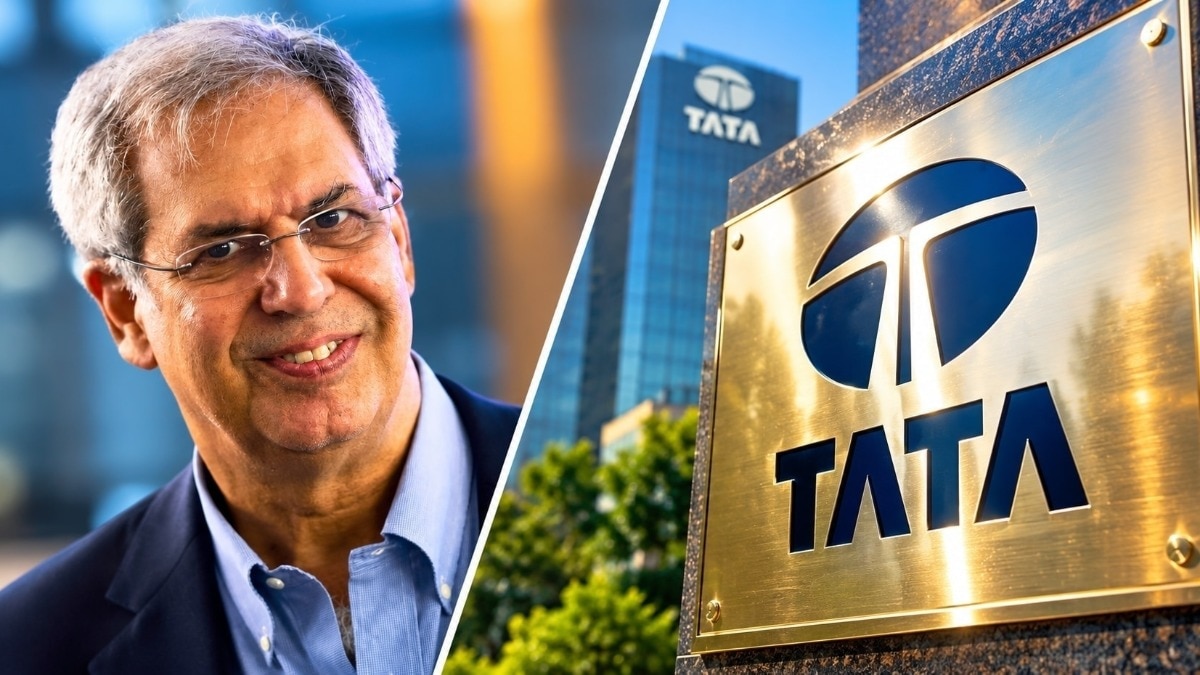
With Indian markets stuck in a two-year consolidation phase and gold emerging as a major portfolio performer, DSP Mutual Fund’s Kalpen Parekh says investors should focus on asset allocation rather than chase recent returns. He recommends slowly adding equities after the correction, maintaining debt for stability and liquidity, and treating gold as a diversifier, not a momentum trade.Edited excerpts from a chat:Diwali is the time of the year when we think of making new beginnings. But the market is stuck in a time warp for the last 2 years and SIP investors are nursing wounds. What's the best way to approach markets at this stage?Markets have delivered strong returns in the years leading up to September 2024, and valuations had moved well ahead of earnings. The last two years have largely been a period of consolidation, allowing earnings to catch up with prices. Such phases are a normal part of investing.For long-term SIP investors, this period can actually be useful. When markets remain flat or correct, investors accumulate more units at lower prices. I often say that bear markets are bull markets for unit accumulation. The benefits of this become visible over time, as markets recover and earnings grow.Equity investing requires patience through different market cycles. Investors should focus less on returns over the last two years and more on whether their asset allocation, investment horizon and ability to tolerate volatility remain aligned. A portfolio that allows you to stay invested through difficult periods is far more valuable than one built around expectations of uninterrupted returns.If a young investor has ₹10 lakh to invest this Diwali, how should the money be allocated across equity, fixed income, gold and other asset classes? Should the entire amount be invested at one go or staggered?Asset allocation is very personal. It depends on your goals, how long you can stay invested and how much risk you are comfortable taking. So, I don't think I can suggest one allocation that would work for everyone.For most investors who are not familiar with the basics of investing, I think the first step should be to find a good money coach, whether that is a mutual fund distributor (MFD) or a registered investment adviser (RIA). Someone who can help you understand your goals, risk appetite and build an investment plan that works for you.Additionally, if you are new to investing, I think passive funds and multi-asset funds are good ways to start. If your investment horizon is 10 years or more, you can also consider mid- and small-cap funds, provided you are prepared for the volatility that comes with them. I would also keep some money in debt. It gives you stability and the flexibility to invest more when markets correct. Gold can be a small part of the portfolio for diversification.Honestly, we don’t know where markets will be six months or a year from now. What makes sense is having a sensible mix of assets that you can stay invested in, even when markets go through difficult periods.For investors sitting on cash after the recent correction, what is the right framework for deploying fresh money when it is impossible to identify the exact market bottom?I think this is a better time to slowly start adding back equities, as we have seen sharp corrections, especially in large caps. But whether you invest today, tomorrow or at any other time, you should be clear that equity investing requires a time horizon of at least 5 to 7 years, and there will be ups and downs in your NAV along the way.What should a balanced asset allocation portfolio look like across different market cycles, and how frequently should investors rebalance it?I don't think there is one ideal asset allocation for every investor or every market cycle. A person investing for three years should have a very different portfolio from someone investing for 15 years. The ability to tolerate a temporary 20–30% fall in equities also matters.Equities offer the potential for higher long-term returns but can be very volatile in the short term. Debt provides stability and liquidity, while gold can offer diversification. Investors who find it difficult to manage these allocations themselves can also consider hybrid or dynamic asset allocation funds.Rebalancing should be driven by how far the portfolio has moved away from the intended allocation, rather than every market headline. Reviewing the portfolio once or twice a year is a reasonable discipline. If equities have risen sharply and become a much larger part of the portfolio, some profits can be moved to debt. Similarly, a correction may create room to increase equity exposure. The idea is to manage risk, not predict the next market movement.Gold has delivered strong returns and attracted considerable investor interest but is now a party spoiler. How should investors evaluate their existing gold exposure?I wouldn't call gold a party spoiler. Gold has done very well, and it is natural for investors to get…
Equities, debt or gold? Kalpen Parekh lays out the right asset allocation approach this Diwali
The Economic Times – Top Stories
Published ·
Keep reading
Related stories