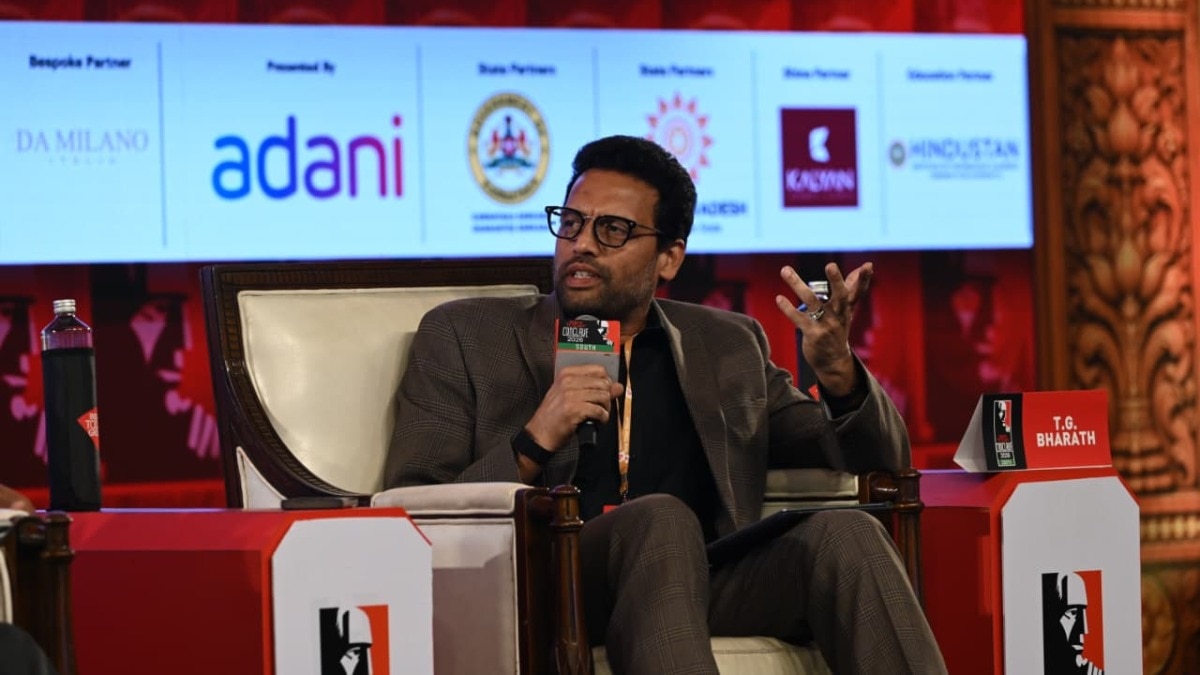
For years, watching cricket was about finding a television and watching the sixes and bouncers either in your own space or with friends, family and even strangers if you were watching the match outside a TV store. However, Reliance-owned JioStar is betting that the next phase of sports viewing in India is changing and there'll be a lot more coming in the future.Speaking at FICCI Frames 2026, Ishan Chatterjee, CEO, Sports, JioStar, said viewers are not just watching now but they are engaged actively with the sports. JioStar, with its investments and deep integration of technology is increasingly turning the cricket screen into a place where fans can ask questions, choose how they watch and in which language, order food and consume the game without necessarily leaving the match.What the Reliance-owned JioStar’s tools allow is to turn a viewer watching a match into a potential customer for food, a user of AI-powered services and a more valuable audience for advertisers. The cricket-crazy nation also spends significant time watching other sports ranging from Kabaddi and English Premier League to Formula 1 and the audience is getting bigger and fragmented across screens, languages and preferences. The fight is thus shifting from winning just eyeballs to finding more ways to monetise the viewers while ensuring they get enhanced sports coverage.Indian sports had about 500 million viewers in 2016 and during the 2026 Indian Premier League season, that number crossed 1.2 billion, Chatterjee said.In other words, there's a whole new game in today's times when the cricket screen has transcended into a great commercial arena.JioStar had partnered with Swiggy to add food delivery into its streaming app that let viewers order food without leaving the app. Earlier this year, it had also tied up with OpenAI to launch ChatGPT-powered voice and text interface on its streaming app."On the consumer side, integrating a seamless commerce experience with the right context can generate tremendous amounts of consumer value, which we saw in terms of the number of transactions Swiggy was able to drive," Chatterjee said.Chatterjee said 30% of the transactions were from first-time Swiggy users.With JioStar carrying 350 days of live sports, the company sees many more opportunities to connect viewing with commerce.Also, there is no longer one typical cricket fan, watching on one kind of screen, in one language and in one setting.“Somebody watching a cricket game in Bhojpuri in Bihar on a mobile device, we have to cater to that consumer,” Chatterjee said. At the same time, JioStar has to serve someone watching the same game in English on a connected TV in south Mumbai.Language has also emerged as one of the clearest signs of how India's sports audience is changing. English accounted for less than 10% of JioStar's watch time last season, while Indian languages made up 90%. Haryanvi and Bhojpuri viewing grew 300% year-on-year, Chatterjee said.The company is also treating mobile phones and connected TVs as fundamentally different experiences. A mobile is a more personal and interactive screen, while a connected TV offers a larger, communal viewing experience.Streaming has lowered the threshold for sports that may not have attracted enough television viewers in the past to sustain a large business. Instead of needing a mass audience from the start, a sport can now build its following one fan at a time, Chatterjee said.
JioStar sees a new game beyond watching
The Economic Times – Top Stories
Published ·
Keep reading
Related stories