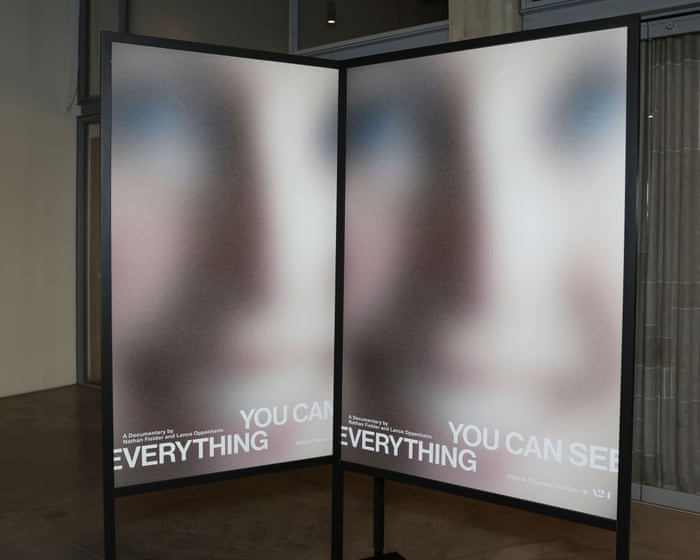
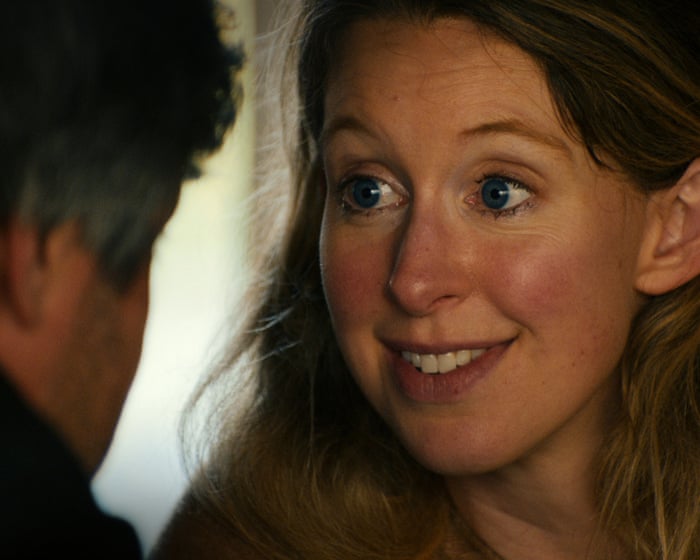
The Theranos founder talks in frustrating riddles – but was she lying to us, or to herself? Or could she be a cog in a larger, more sinister, lie-machine? I went to see You Can See Everything with a friend who had never heard of Elizabeth Holmes, the disgraced founder of blood testing startup Theranos. She knew that she was a convicted fraudster, because as the film opens, Holmes is 34 days from commencing her prison sentence for defrauding investors. But she was completely open-minded as to whether this was definitely fraud or a miscarriage of justice, whether Holmes was the puppeteer or the puppet (of her previous business and romantic partner, Sunny Balwani, who was also convicted of fraud), and whether Holmes’s central claim, of huge diagnostic capabilities from putting a drop of blood into a tiny box, had any scientific foundation. My friend was probably the co-director Nathan Fielder’s perfect viewer, someone who had no preconceptions about what was true: what would she learn, from three hours with a camera so close to the subject’s face that you could count her eyelashes? “Well … She seems nice?” she said after the film had finished. I veer towards the old-fashioned and deeply held view that the courts, having soberly examined many documents, must have got it right. The whistleblowers and bystanders, giving their testimony not only to lawyers but also to podcasts, which turned into TV documentaries and dramas, as well as investigative print journalism, which begat yet more journalism – that all seemed pretty convincing as well. I definitely did not go into the cinema with my true-crime head on, which is fortunate, because I’m a sucker for a faulty conviction and I’d have probably found her innocent within 15 minutes. Continue reading...
You Can See Everything tells us nothing about Elizabeth Holmes. I guess that’s what the courts are for | Zoe Williams
The Guardian – International · By Zoe Williams
Published ·
Keep reading
Related stories