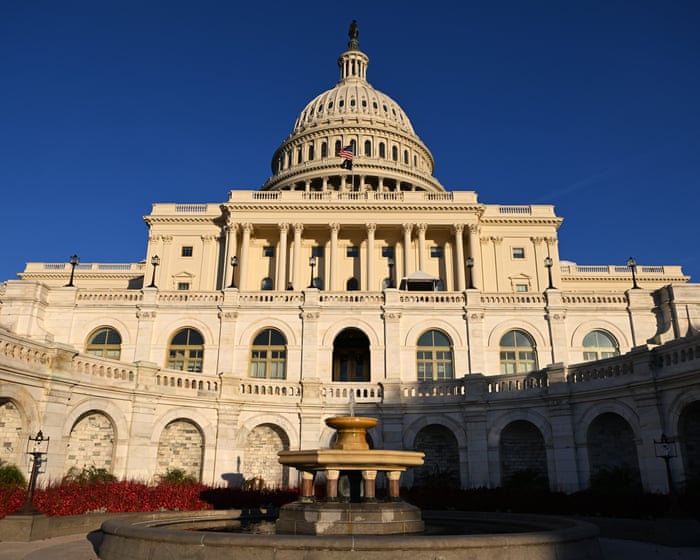
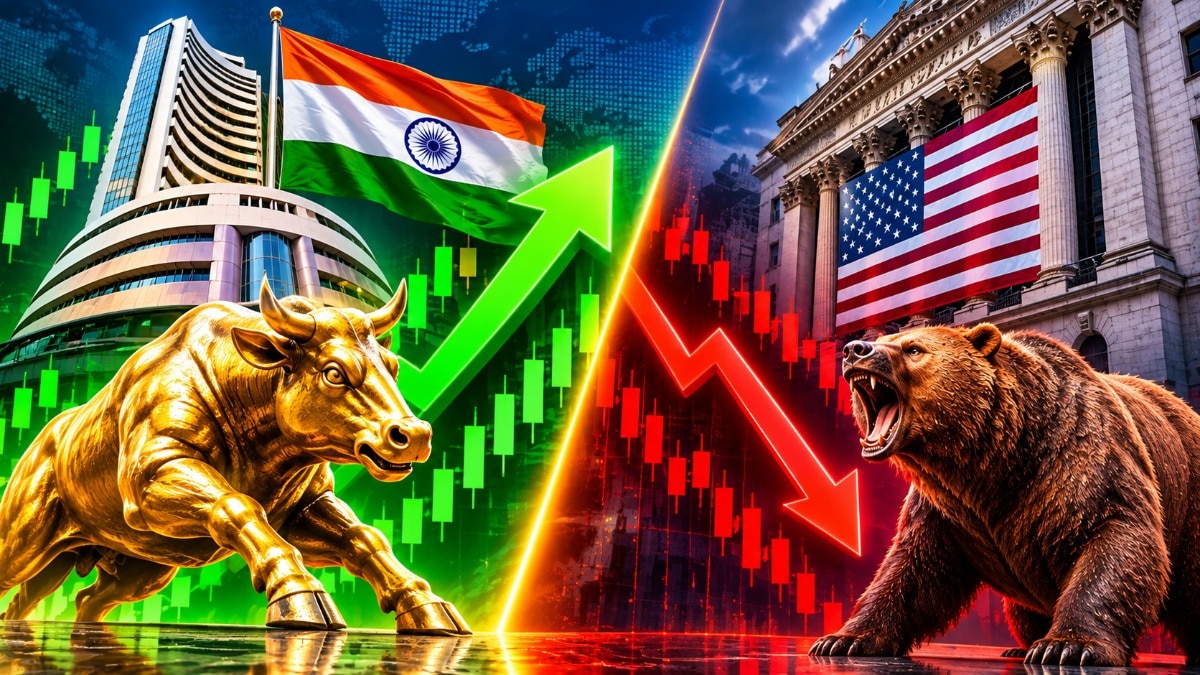
Marking the start of a new phase in US politics, Democrats took control of both chambers of the Congress at the 2026 midterm elections. The outcome, announced on November 4, came as a big setback for President Trump and his Republican party.This is the first time since Trump's return to the White House that Democrats took control of Congress. Their win came on the back of voter frustration with high prices, a wobbly economy, the war in Iran and concerns about corruption in the government.Indian industry and economy watchers were keenly looking forward to the outcome to try and find out what direction US policy might now take. In recent months, India's trade/export fortunes have swayed in lockstep with Trump's tantrums, making policymakers jittery over any new development in the US.Also read | Vivek Ramaswamy: Decoding a Republican firebrand's high-decibel fallNow, a weakened Trump admin might give India some breathing room. However, it would not necessarily make the road to stronger ties any easier.The big takeaway for India is that while Trump will remain in office until January 2029, his ability to push his protectionist agenda -- as well as his power to appoint his picks for top posts -- will not be the same. This might mean more intense vetting of Trump's trade and immigration policies, and consequently, a reduction in 'tantrums'.It might also mean more uncertainty over future US decisions and potentially more openings to negotiate with Washington.The Democratic victory will not automatically reverse Trump's tariffs, H-1B curbs or foreign policy decisions. Many of these decisions came by way of presidential decree. However, a Democrat-controlled Congress could use investigations, budgetary powers, hearings and oversight powers to raise the political cost for Trump of controversial decisions.Here's what might change for India now -- in trade, energy, visas, defence and other key areas:Trade: Tariffs may face pushbackTrade could be the most immediate area of interest for India. Trump's aggressive tariffs have majorly disrupted trade ties, with Indian exports facing duties that had once reached 50% before the rate on most Indian goods was brought down to 18%.Talks have remained difficult, with Russian oil and Indian agriculture being the big stumbling blocks.Also read | India weighs new oil manoeuvre as old routes get jammedDemocrats might now now look into tariffs' impact on US businesses. While this doesn't mean tariffs are going away right away, trade ties with India might head towards a more predictable path.The point to note, however, is that Democrats are not necessarily free-trade backers. They have traditionally had concerns over market access. So, what happens near term is an open question.Russian oil: Less pressure on India maybe, but no full clarityIndia could get some breathing room over Russian crude. Trump had threatened tariffs of up to 100% on countries buying Russian oil under the Lindsey O Graham Sanctioning Russia and Iran Act of 2026, before waiving the same later when he himself okayed US purchase of Russian oil.Russian crude accounted for about 44% of India's oil imports in August. While the Democratic win might mean less pressure on India for now, uncertainty in this matter is set to linger.H-1B visa: Greater scrutiny of curbs likelyIndian professionals and technology companies could get some relief if Democrats use their newfound power to challenge Trump's immigration policies.The administration's proposed $100,000 fee for certain new H-1B petitions has been a cause of major uncertainty for American companies dependent on skilled foreign workers.It may be noted that two federal courts have since blocked its enforcement, and the US Citizenship and Immigration Services has recently begun approving petitions filed without the payment.A Democratic-controlled Congress may now increase scrutiny of the economic fallout of curbing skilled immigration, particularly for US tech cos, likely spelling good news for Indian techies and other high-skilled professionals.However, immigration remains an executive-policy domain in several key respects, and a change in congressional control would not itself reverse Trump admin's curbs.Defence and technology: Not much change likelyThe Democratic victory won't likely change the broader defence partnership much. The two sides signed a 10-year defence framework in October 2025, covering strategic convergence, critical technologies, information sharing and joint production of military hardware.Shared worry about China's rise is a powerful unifier for India and US. The issue of closer defence ties with India has had bipartisan support in US, and that is unlikely to change irrespective of the midterm poll outcome.India to get a strategic boost?For India, a bigger takeaway is how and why it should not base its math on who is in power in America.Trump presidency has caused worry for India and but has also given it opportunities. He has pursued close defence…
What Trump's midterms loss means for India
The Economic Times – Top Stories
Published ·
Keep reading
Related stories