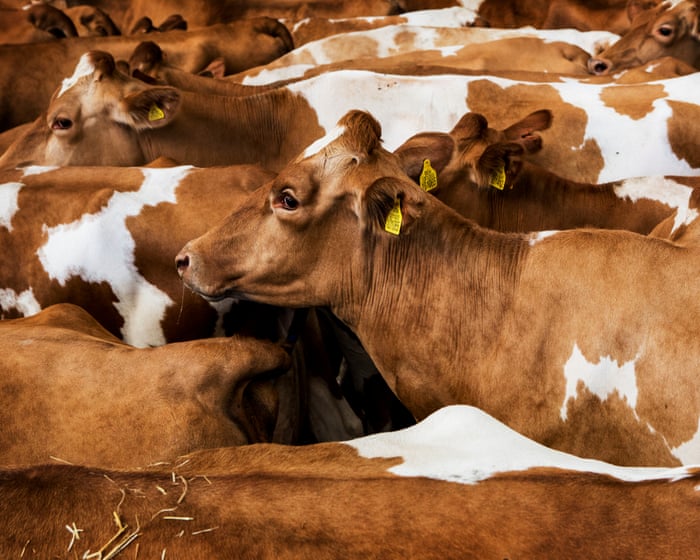
A lexicographer reveals the surprising origins of common zoological turns of phrase, from fat cats to fur babies Anyone who has grown up in the country knows that cows come home. They do it at tea time, like clockwork, because an unmilked cow is an uncomfortable cow. So how did “till the cows come home” come to mean never? Stranger still, when the phrase first appears in a 1587 commentary on St Paul’s epistle to the Galatians, there is only one cow. By the time playwrights Beaumont and Fletcher take it up a few decades later, their characters are kissing and drinking till the cow – still single – comes home. What began as a promise of endless pleasure has become a sigh of futility. Jeremy Butterfield’s Metaphor Zoo is full of such linguistic metamorphoses. Butterfield is a lexicographer by trade, the man the OUP entrusted with revising Fowler’s Modern English Usage. His guiding text is Lakoff and Johnson’s Metaphors We Live By (1980), which argues that metaphors don’t just colour how we speak but structure our thinking. In this sprightly but well-grounded book (metaphor alert), Butterfield asks what mental patterns lie behind the hundreds of animal phrases in English. Then in Johnsonian fashion, he sets about tracing the original, dating each through the Oxford English Dictionary and watching as it goes walkabout. Continue reading...
The Metaphor Zoo by Jeremy Butterfield review – how animals influence our language
The Guardian – International · By Kathryn Hughes
Published ·
Keep reading
Related stories