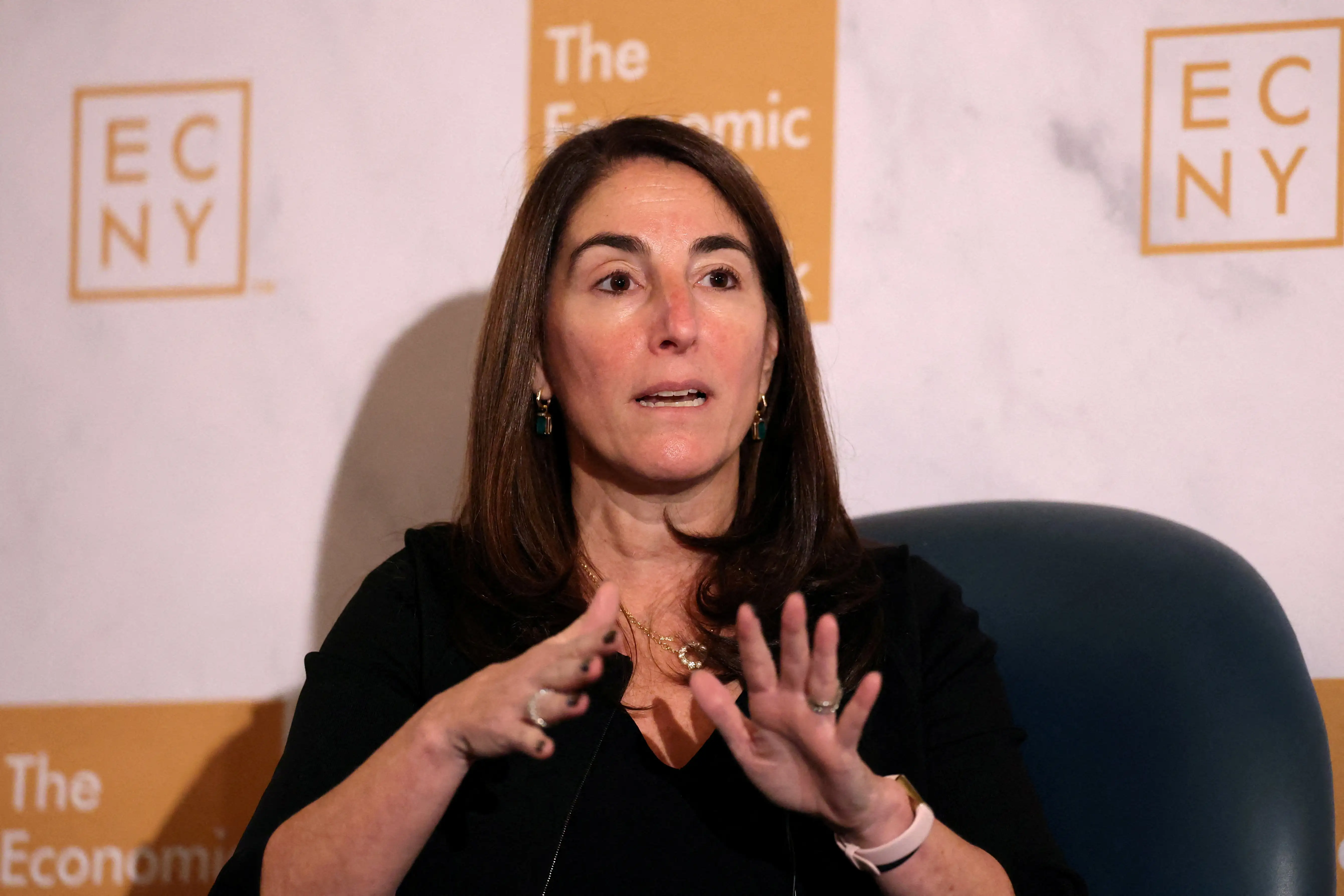
Federal Reserve officials Beth Hammack and Thomas Barkin are making the case for a gradual approach to interest rate increases, signalling that policymakers remain focused on bringing inflation under control even as uncertainty over the economic outlook grows, Reuters reported.Their comments on Thursday come as the US central bank faces competing pressures from persistent price increases, geopolitical tensions and heavy investment in artificial intelligence (AI). The remarks also mark the first round of comments from Fed officials after Democrats won control of Congress and made gains in state level elections. For live updates on US Markets, click here "I expect that monetary policy will need to move to a restrictive stance to bring inflation back to 2% in a timely manner," Federal Reserve Bank of Cleveland President Beth Hammack said in a speech ahead of an event in Zurich.According to Reuters, Hammack, a consistent supporter of higher borrowing costs, favours smaller and more frequent adjustments rather than sharp increases. She said this approach would be less disruptive to households, businesses and financial markets. Gradual increases could also prevent an “inflationary mindset” from taking hold, she added.Richmond Fed President Thomas Barkin echoed that view, saying inflation remained “too high” and was holding firm rather than easing. "When it comes to the pace of future rate hikes, gradual makes sense," he said.Inflation keeps pressure on the FedThe comments follow the Fed's decision last week to keep its benchmark interest rate in the 3.75%-4.00% range. Hammack, along with Fed Governor Lisa Cook, voted in favour of a rate increase, highlighting the divide among policymakers over how aggressively to tackle inflation.Also Read: Emerging markets lose $33.8 billion in October as investors flee Asian stocksFinancial markets broadly expect another increase in December, although expectations beyond that remain less certain. Reuters reported that futures traders have lowered the probability of a December hike to around 70% from more than 80% on Wednesday.AI investment and elections add to uncertaintyThe political shift could also influence the inflation outlook. Local voter opposition to data centres and permitting challenges could slow AI infrastructure spending, potentially easing demand for equipment and related resources.Evercore ISI analysts told clients on Wednesday that AI capital expenditure could slow in the next year or two, helping keep demand and supply in balance without requiring many more rate increases.TD Securities said it expects the Fed to raise rates by another 50 basis points by early next year. However, the brokerage said a resolution to the Iran war or a slowdown in AI investment could reduce the need for further tightening after March.Meanwhile, Friday's US jobs report is expected to provide another test for policymakers, with economists forecasting 65,000 additional jobs in October after September's 29,000 gain, Reuters reported.(Disclaimer: This article is based on inputs from agencies. These do not represent the views of The Economic Times)
Multiple perspectives
Also covered by 1 source
- OriginalThe Economic Times – MarketsFed's Beth Hammack favors gradual rate-hike path to lower inflation