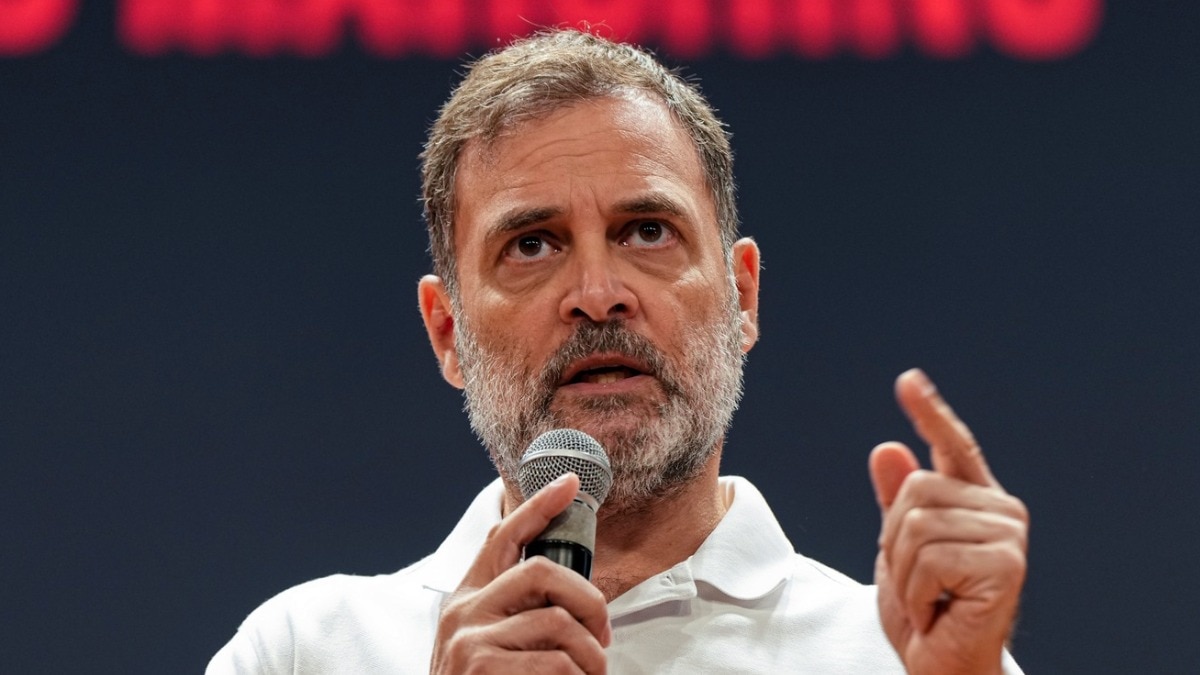
India's dealmaking remains resilient despite a weaker rupee and a slump in equity markets, as deals are being driven by strategy rather than financial engineering, said Rahul Saraf, Citi's head of investment banking for India.His comments come as India's year-to-date M&A deal value fell more than 19% to $95.5 billion from $118.5 billion a year earlier, according to data compiled by LSEG this week, though the number of deals was little changed, suggesting selectivity rather than diminished appetite."I'm not seeing anybody trying to be cute on financial engineering or investments such that they can extract a little bit more - (it is) much more strategic play," Saraf told the Reuters Global Markets Forum.Saraf said he expects more partnerships between Chinese companies and large Indian conglomerates in the industrial and consumer sectors, where Chinese firms have manufacturing and technology strengths, citing JSW Group's tie-up with SAIC Motor's MG Motor.India eased investment rules for minority Chinese stakes in March after six years of curbs.Saraf sees strong activity in the healthcare, consumer, infrastructure and technology sectors, as "promoters (are) a little bit more open around consolidation and dilution".A 1%-2% currency move is "a variable, but not a big variable" for strategic deals, Saraf said, adding that it would matter more for deals driven by financial returns.The rupee has lost about 6% of its value so far in 2026, after hitting a record low of 96.96 in May. India's central bank has spent around $80 billion to stem the fall.Dismissing fears of fresh capital controls from the Reserve Bank of India, Saraf said he was optimistic that global investors would return to India for growth. "I genuinely believe they will come back to India, and come back strongly," he said.Foreign portfolio investors have sold a record $32.56 billion of Indian stocks this year, as of October 26, according to data from National Securities Depository. The benchmark Nifty index is nearly 14% below its record high in January, underperforming emerging market and Asian peers."With the domestic mutual fund and insurance companies holding about $700 billion of equity (and) promoters holding 45% of the equity, there's a lot of stability relatively in the Indian markets compared to many other places," Saraf said."Indian capital believes the medium- to long-term story remains intact."
India dealmaking resilient despite slump: Citi
The Economic Times – Top Stories
Published ·
Keep reading
Related stories